

How Co-Enzyme Q10 Works Against Glycation
Did you know that sugars like glucose and fructose can age not just your body, but your skin too? They bind to vital proteins such as collagen and elastin in a process called glycation- leading to loss of firmness, elasticity, and glow over time.
But what is glycation exactly? And how does it affect your skin’s ageing process? We’ve got the answers to your most asked questions.
-
The body’s own building blocks, collagen, elastin, and hyaluronic acid are components of our skin and largely responsible for its structure, elasticity, and firmness. Due to a lack of estrogen, there is a reduced production of collagen, elastin, and hyaluronic acid. The consequences are decreased skin elasticity, reduced skin circulation, diminished regenerative capacity, increased dryness, and a reduced barrier function. Lower hyaluronic acid content contributes to skin dryness and wrinkle formation. Estrogen promotes the production of collagen. When- as in menopause- there is less estrogen, less collagen is produced. Also, collagen is broken down with increasing age. The estrogen level and age also influence the content of hyaluronic acid.
-
Sagging skin during menopause occurs due to hormonal changes as well as the natural ageing process. Besides estrogen and collagen, the production of elastin also decreases. This leads to looser skin and more pronounced wrinkle formation.
-
Skin rash and red spots during menopause can be caused by hormonal changes but also indirectly by changed living conditions. For example, hot flushes or sweating episodes during menopause can irritate the skin and lead to rashes. Increased occurrences of allergies or stress can also be casual.
-
Eczema during menopause is promoted as a chronic skin condition by hormonal adjustments. Estrogen has anti-inflammatory properties and influences skin health. The decline in estrogen and additional stress during menopause can damage the skin barrier and lead to increased sensitivity to irritants.
-
Due to the hormonal shift in the balance of female and male sex hormones, rosacea during menopause can be particularly pronounced. Hot flushes that occur during menopause can cause the blood vessels in the face to dilate. This can exacerbate the symptoms of rosacea.
-
Itching during menopause can be caused by hormonally sensitised skin, which increases susceptibility to external irritations. However, itching can also occur as a result of dry skin.
-
Large-pored skin during menopause can be caused by altered sebum production. Increased sebum production results from a shift in hormonal balance, as male androgens (e.g. testosterone) predominate during menopause. The increased sebum production can lead to clogged pores and consequently, their enlargement.
Skin Problems During Menopause

-
One of the main reasons for dry skin during menopause is the altered hormonal balance due to the reduced estrogen level. Responsible for skin moisture regulation, the decline in this hormone can lead to the skin retaining less moisture because estrogen can no longer stimulate hyaluronic acid production.
-
Menopause often coincides with the natural ageing process of the skin. With increasing age, the skin’s ability to retain moisture decreases. This is partly because collagen and hyaluronic acid decrease with age- thereby also reducing the skin’s moisture depots.
-
Factors such as dry climate, wind, UV rays, stress, poor diet, alcohol, and nicotine can additionally exacerbate dryness during menopause.


Skincare for Dry Skin During Menopause
To support dry skin during menopause, it is important to establish a suitable skincare routine and pay attention to a few things:
Moisturiser: Using a high-quality, nourishing moisturiser is crucial to adequately hydrate the skin.
Gentle cleansing: Use mild, soap-free cleansers to protect the skin and minimise moisture loss.
Daily sun protection: Using a suitable sunscreen helps to protect the skin from harmful UV rays and prevent further dryness and ageing.
Hydration: Drink plenty of water to provide moisture to dry skin from the inside out during menopause.
Avoid hot baths and showers: Extremely hot water can dry out the skin, so it is better to have lukewarm baths and showers. Afterward, you should apply body lotion.
Humidifier: Placing a humidifier in indoor spaces can help increase air humidity and protect the skin from dryness.
Dermatologist: To access individual skin issues during menopause it may be worthwhile speaking to a dermatologist. You may be able to get specialised treatments. Holistic skincare can alleviate dryness and maintain skin health.

-
Due to hormonal changes during menopause, the level of androgens predominates. This favours impurities and stimulates the production of the sebaceous glands. This can lead to imperfections and oily skin.
-
Enlarging pores during menopause can be more prone to oily skin.
-
The combination of increased sebum production and larger pores can lead to pores becoming more easily clogged and subsequently oily.

Skincare For Oily Skin During Menopause
To deal with oily skin during menopause, different skin measures can be beneficial:

Gentle facial cleansing: Use gentle cleansing products morning and evening to remove excess oil. Try to avoid cleansing agents with aggressive surfactants, as they can dry out the skin.
Moisturiser: Despite oily skin, a light, oil-free moisturiser is important to adequately hydrate the skin and compensate for moisture loss.

Skincare products: Use skin-friendly products that are tailored to oily skin and non-comedogenic. This minimises clogged pores.
Sun protection: An oil-free, non-comedogenic sunscreen is important to protect the skin from from UV damage.
Managing oily skin during menopause requires a holistic approach that considers both skincare and lifestyle. Individual skin needs vary. Therefore, it is important to find the right balance in care. A visit to the dermatologist can also be advisable for severe skin problems, to learn about appropriate treatment options.

-
The sift in hormonal balance can lead to increased sebum production by the skin glands. The skin can become more prone to breakouts and acne during menopause.
-
The relative excess of testosterone can further stimulate sebum production and lead to the formation of blackheads or acne.
-
The skin structure changes over years. Larger pores are more likely to clog as they offer more space for the accumulation of dirt and sebum.
-
Menopause can cause stress and emotional turbulence, which can exacerbate skin problems. Stress can further disturb the hormonal imbalance and favour skin impurities.
-
The predisposition for impure skin can be genetically determined. If you have a family history of acne-prone skin, you may be at a higher risk of developing it during menopause.
Menopause and Facial Skin Problems

Women in menopause can face particular challenges, especially with facial skin problems.
Dry facial skin and the reduced ability to retain moisture can cause feelings of tightness and flaking.
Collagen breakdown due to a decrease in estrogen levels favours the loss of skin firmness. The formation of wrinkles and fine lines, especially around the eyes, mouth, and forehead, can thus accelerate.
Acne, pimples and enlarged pores: An increase in androgens (male hormones) can promote sebum production and clog the pores. This can favour the development of acne and pimples on the face and lead to larger and more visible pores.
Hot flushes, common during menopause, can lead to redness and skin irritation on the face.

The facial skin can become particularly sensitive during menopause and more susceptible to external irritants.
Hormonal changes can lead to hyperpigmentation on the face. Dark spots on the skin, such as melasma or age spots, may appear.
As a result of a relative excess of male hormones (e.g. testosterone), signs of facial hair and thinner scalp hair may occur.
Menopause and eye problems: Menopause can also lead to increased eye problems, such as dryness. The hormonal changes affect tear production, which can lead to uncomfortable burning and itching as well as increased light sensitivity. Also, eyebrows may fall out more during menopause.
The right facial skincare during menopause is crucial to respond to emerging problems. This includes the use of suitable cleansers, serums, moisturisers and sunscreens. The products should promote collagen production (such as bakuchiol), and the selection of skincare products tailored to the special needs of facial skin during menopause.
Facial Skincare During Menopause
-
Choose a rich and hydrating face cream that helps combat skin dryness and strengthens the skin barrier. For oily skin, we recommend a light, oil-free moisturiser.
-
Skincare products containing hyaluronic acid can provide intense moisture to the skin and contribute to maintaining skin elasticity.
-
As the skin can be more sensitive to sun damage during menopause, a high-quality sunscreen with broad UV protection (UVA and UVB) is essential.
-
Use gentle cleansing products that thoroughly clean the skin without irritating or drying it out.
-
Natural facial oils, such as jojoba oil or argan oil, can help provide the skin with a variety of fatty acids and maintain its suppleness.
-
Bakuchiol is a natural alternative to retinol. Skincare products with bakuchiol can help combat fine lines and wrinkles that occur during menopause.
-
A serum with a power antioxidant such as vitamin Cis intended to protect the skin from harmful environmental influences and contribute to improving the complexion.
-
Products with soothing products such as chamomile or aloe vera are intended to help mitigate skin irritations that occur due to increased sensitivity.
-
Special eye creams are intended to minimise fine lines and wrinkles in the sensitive eye area.
-
Occasional mild exfoliations can help remove dead skin cells and promote skin renewal.
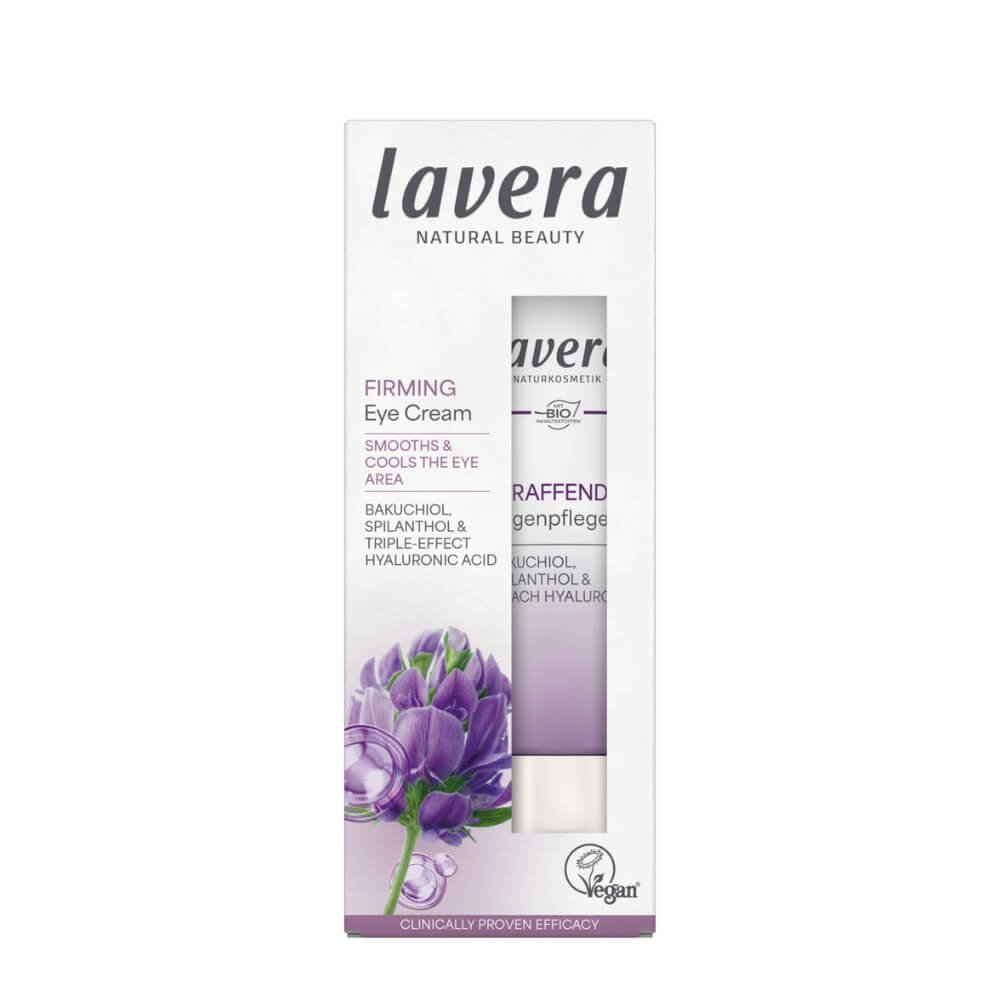
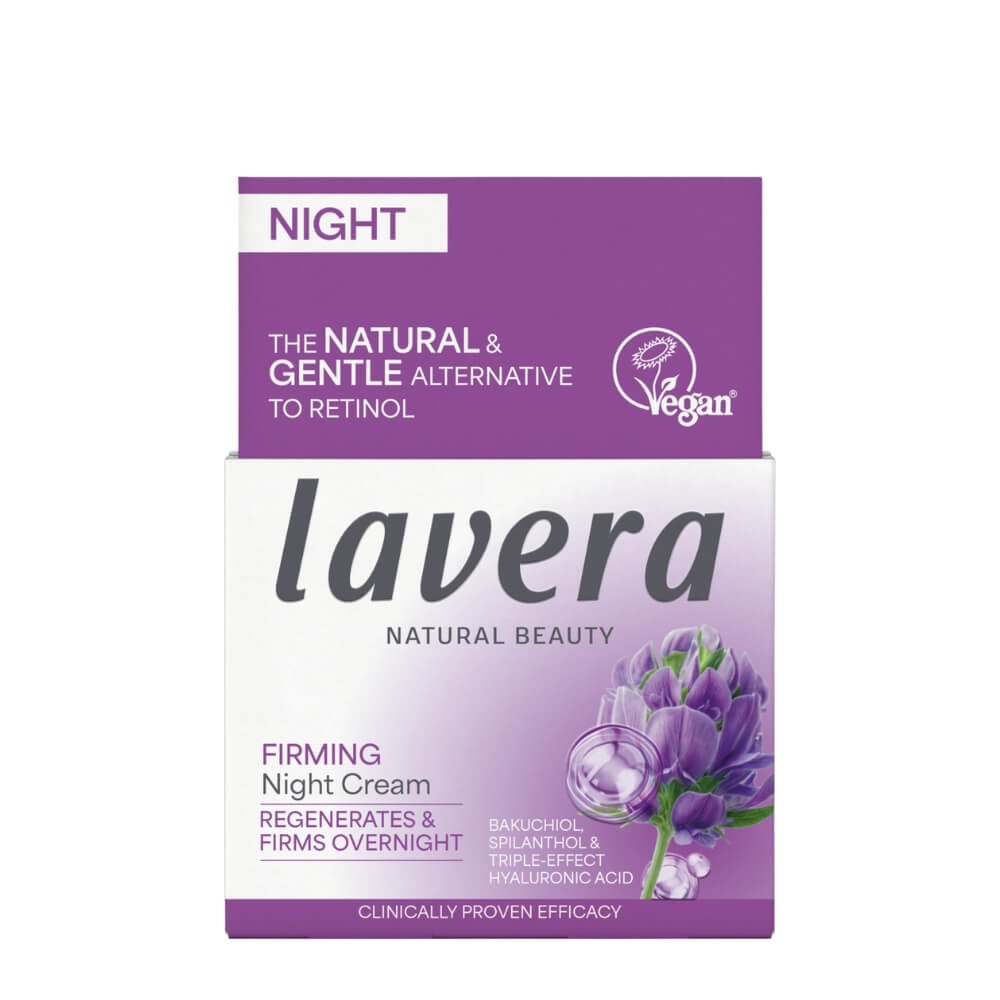
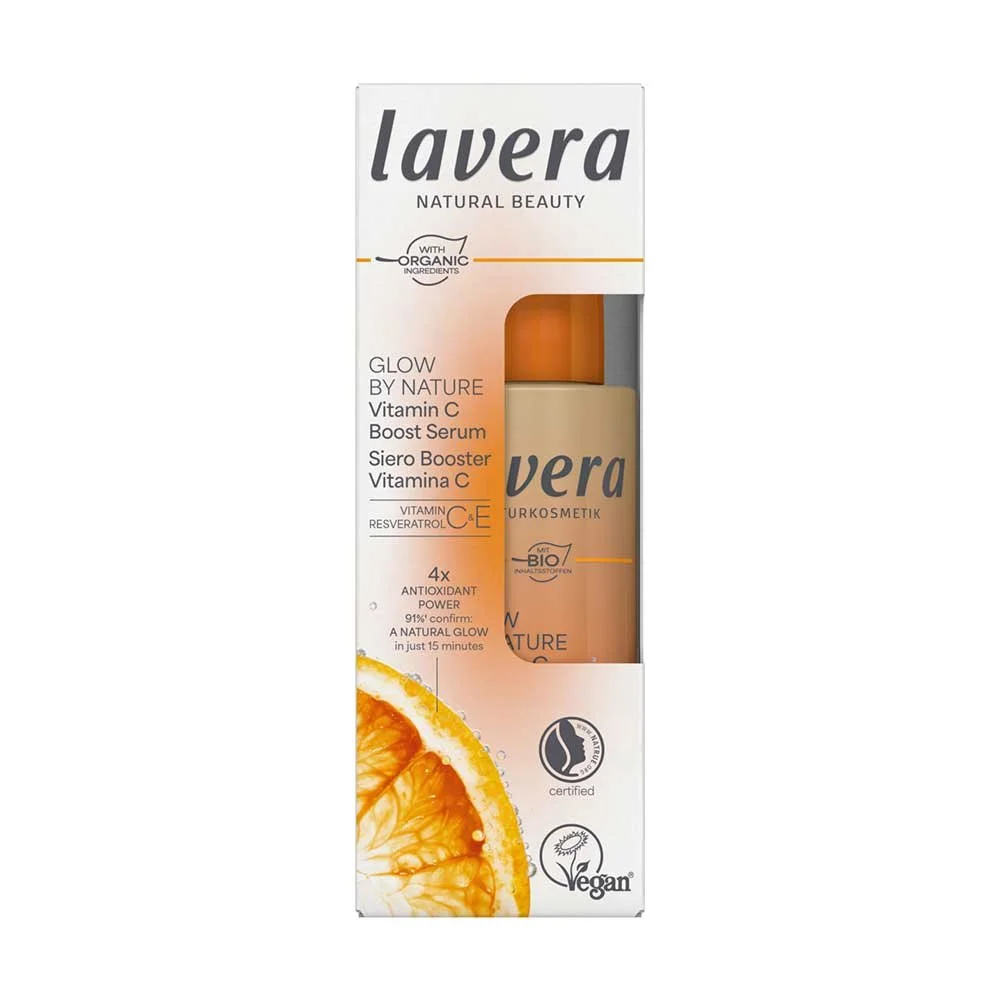


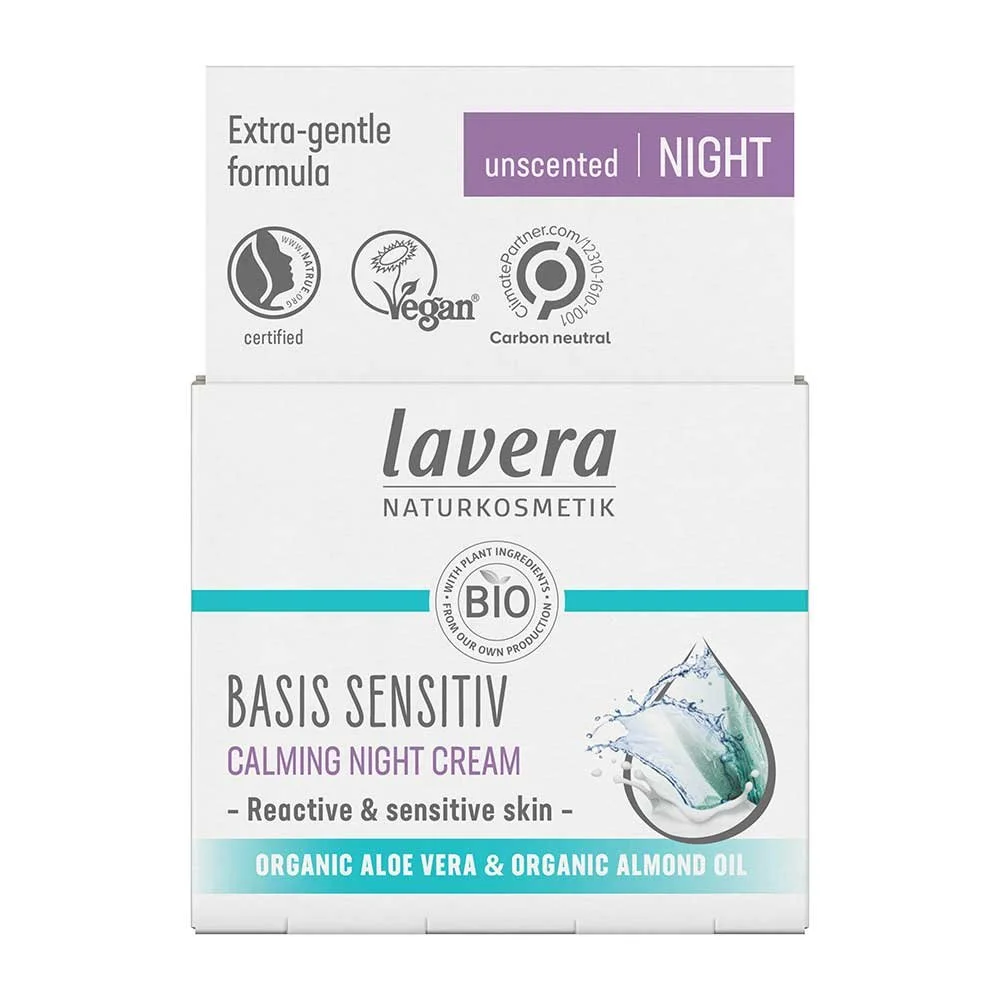
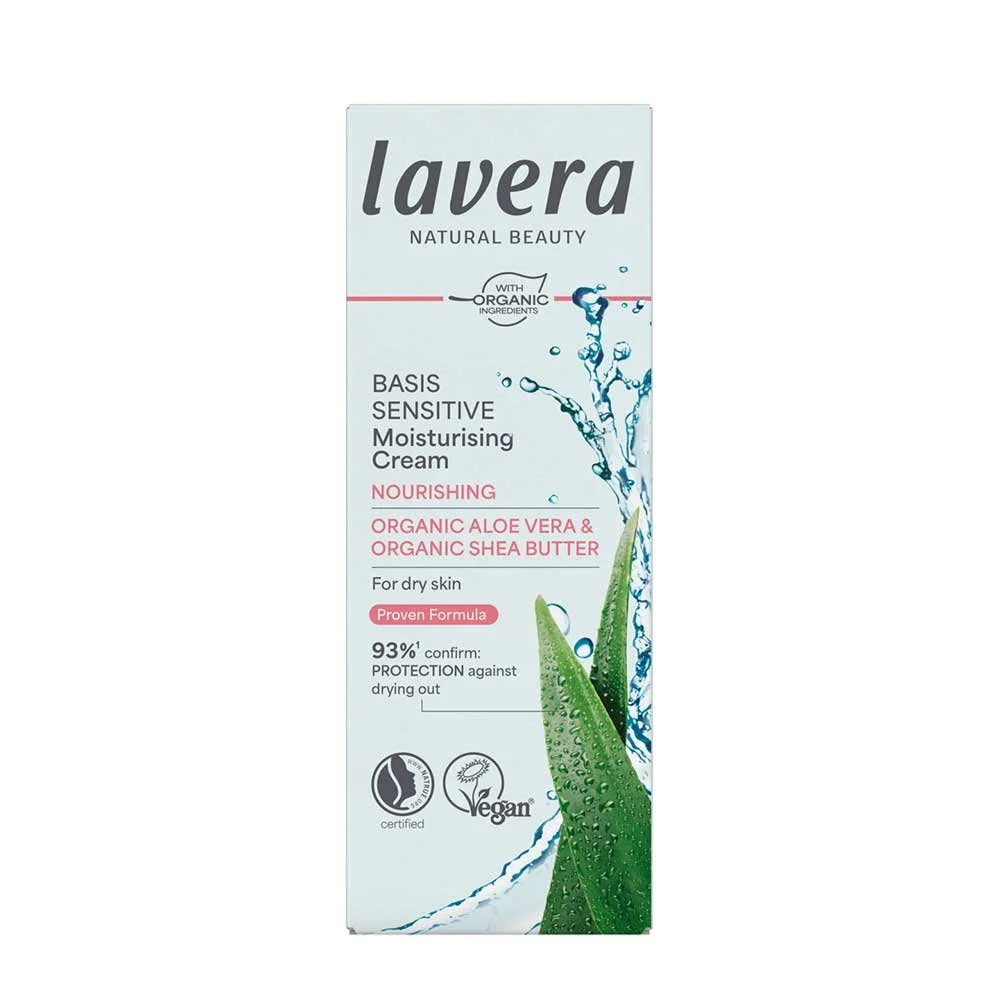
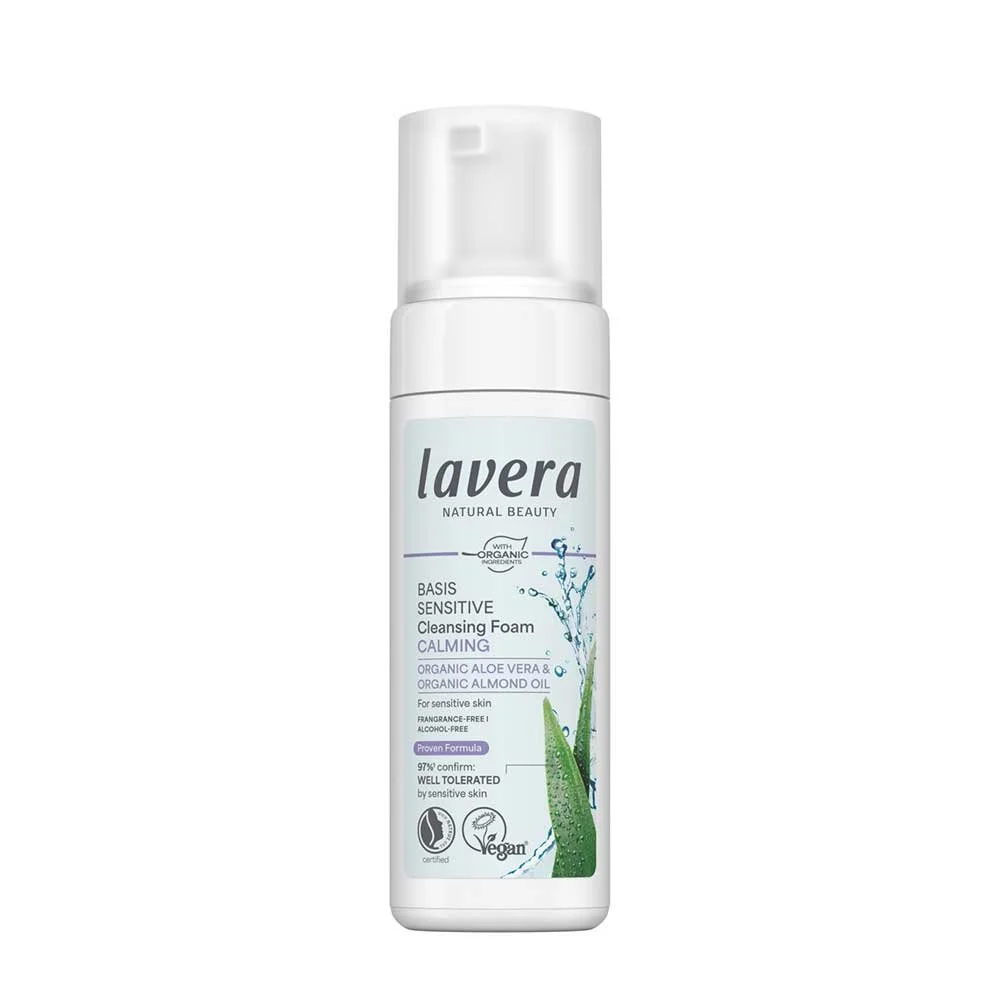
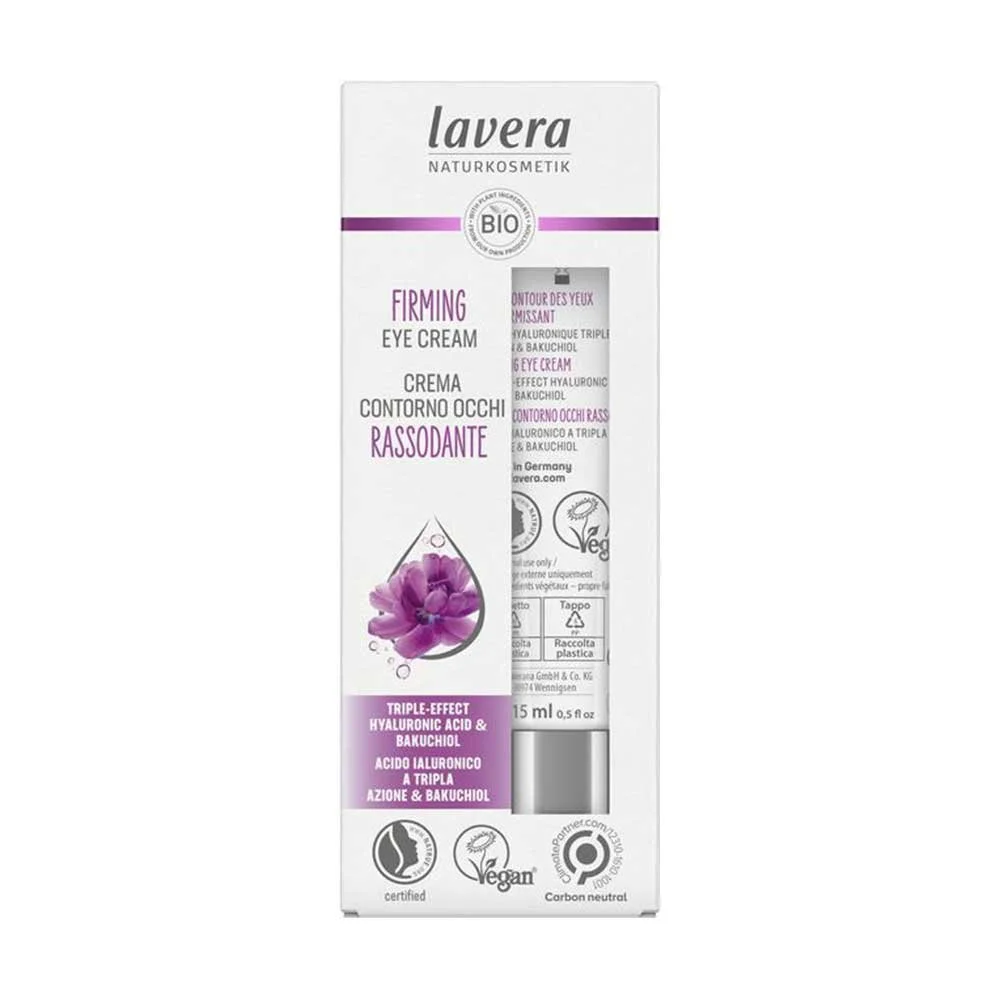

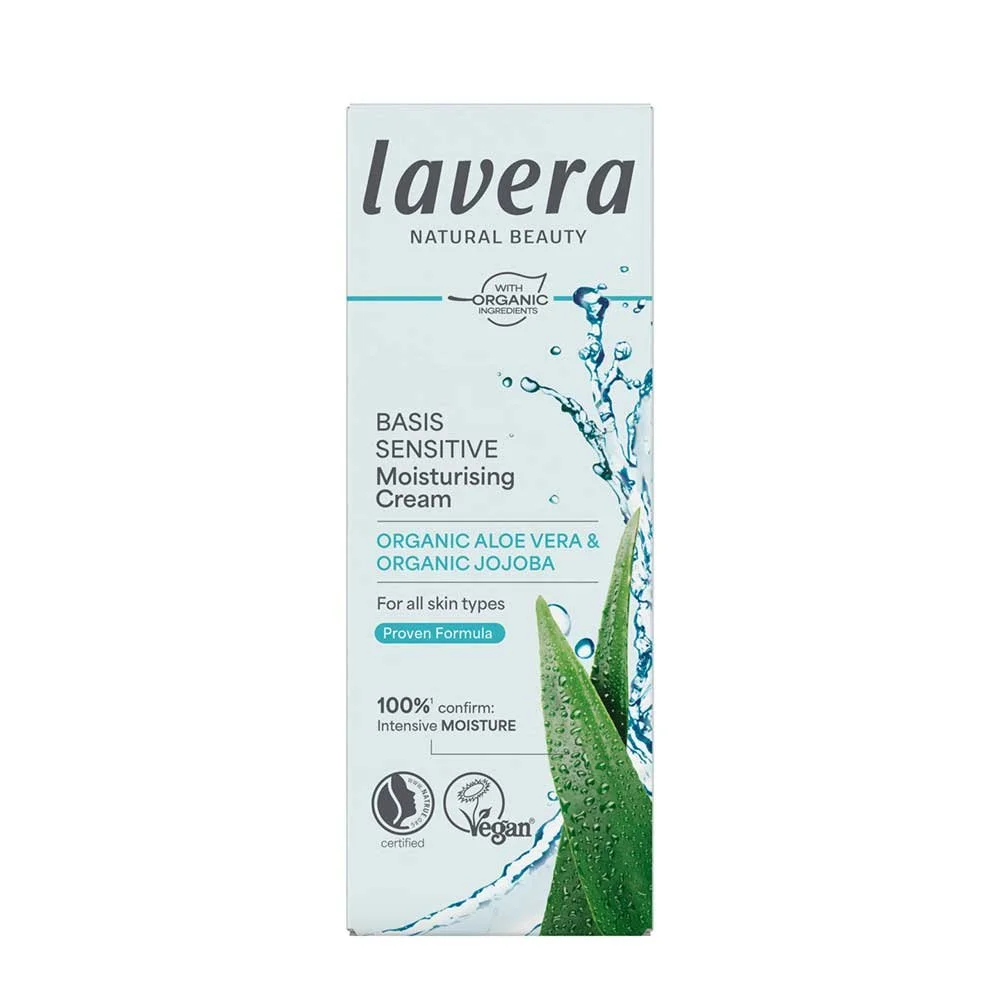
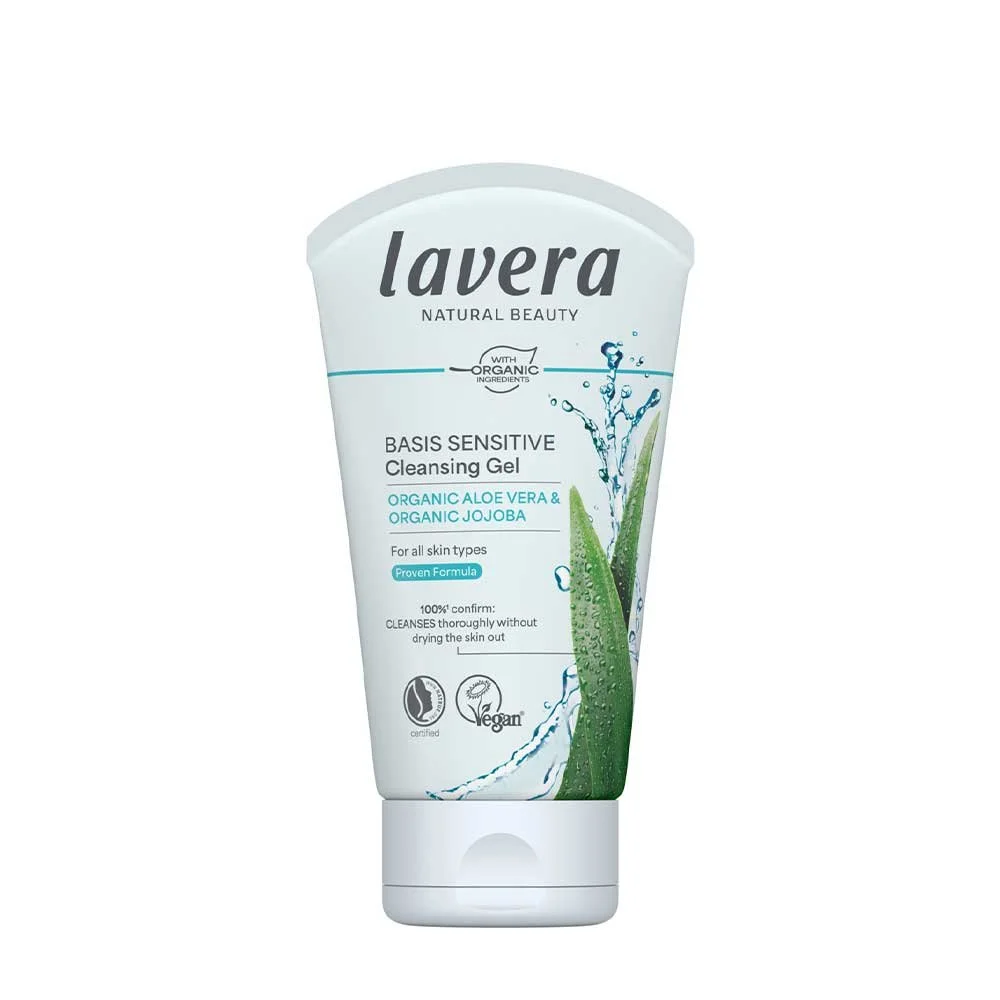
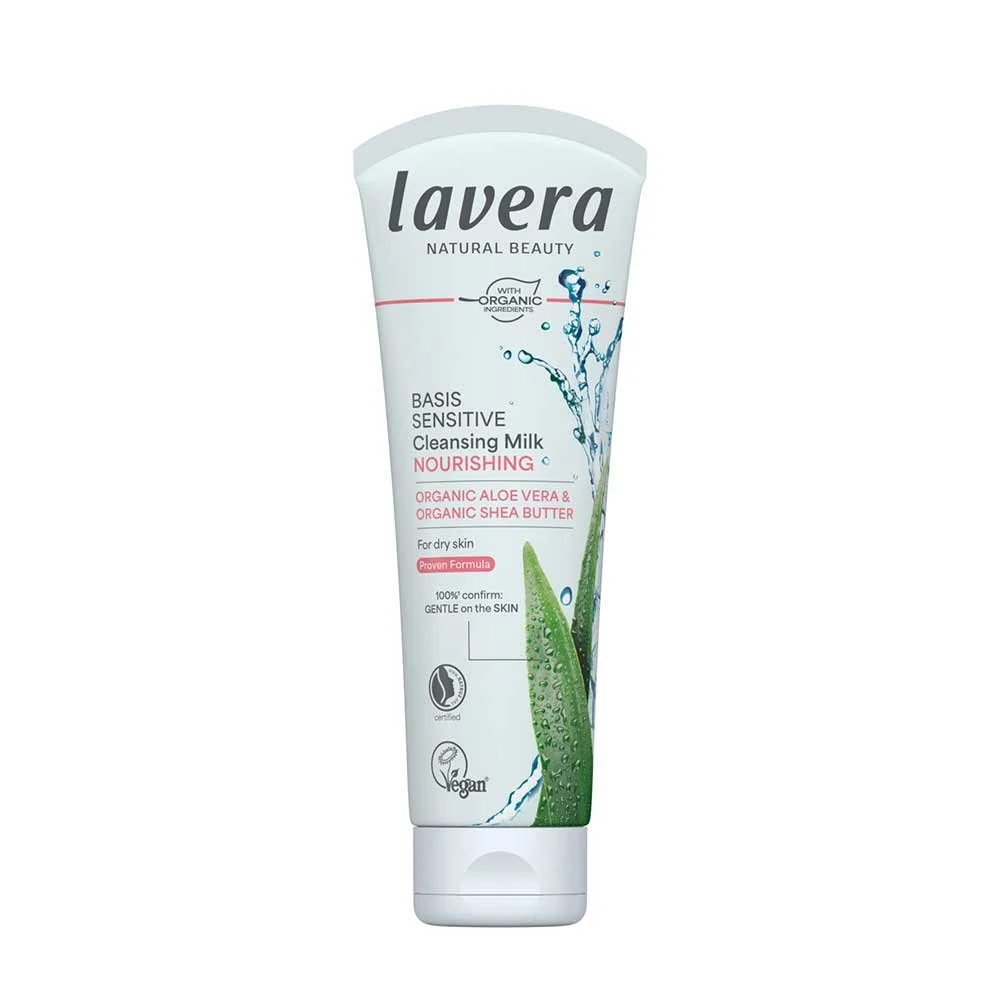
Our Product Recommendations
Moisturises for a fresh and radiant complexion
The natural and gentle alternative to retinol
Firms, plumps and smooths skin
Reduces the depth of wrinkles
Vegan